Top of the Hill

At 8 a.m., your delegation is picking up coffee and finding its team. By 9, advocates know who opens each meeting, which story they’ll share and what they’re asking of each office. One group heads to the Senate side while another waits for a schedule update. When they come back, there’s a place to compare notes and prepare for the next round.
A successful advocacy day needs a home base that can handle all of those moments. Located directly across from the U.S. Capitol, Top of the Hill gives your group a gathering point for the work around its House and Senate meetings. You can use a single room for a breakfast briefing or build a full day across the Atrium, Symposium Center and Minuteman Ballroom.
Open check-in with coffee and an easy-to-serve breakfast in the glass-enclosed Atrium. Set out name badges, team assignments, printed schedules and one-page leave-behinds. Dog Tag Bakery is an option for pastries and coffee, and a specialty coffee bar can welcome guests as they arrive in waves.
In the Symposium Center, run a short briefing that answers three questions. What do we want each office to do? Which story makes that request concrete? Who will follow up? Have each group practice its opener and agree on who will take notes. If your delegation needs one room for breakfast and plenary remarks, ask about the Minuteman Ballroom.
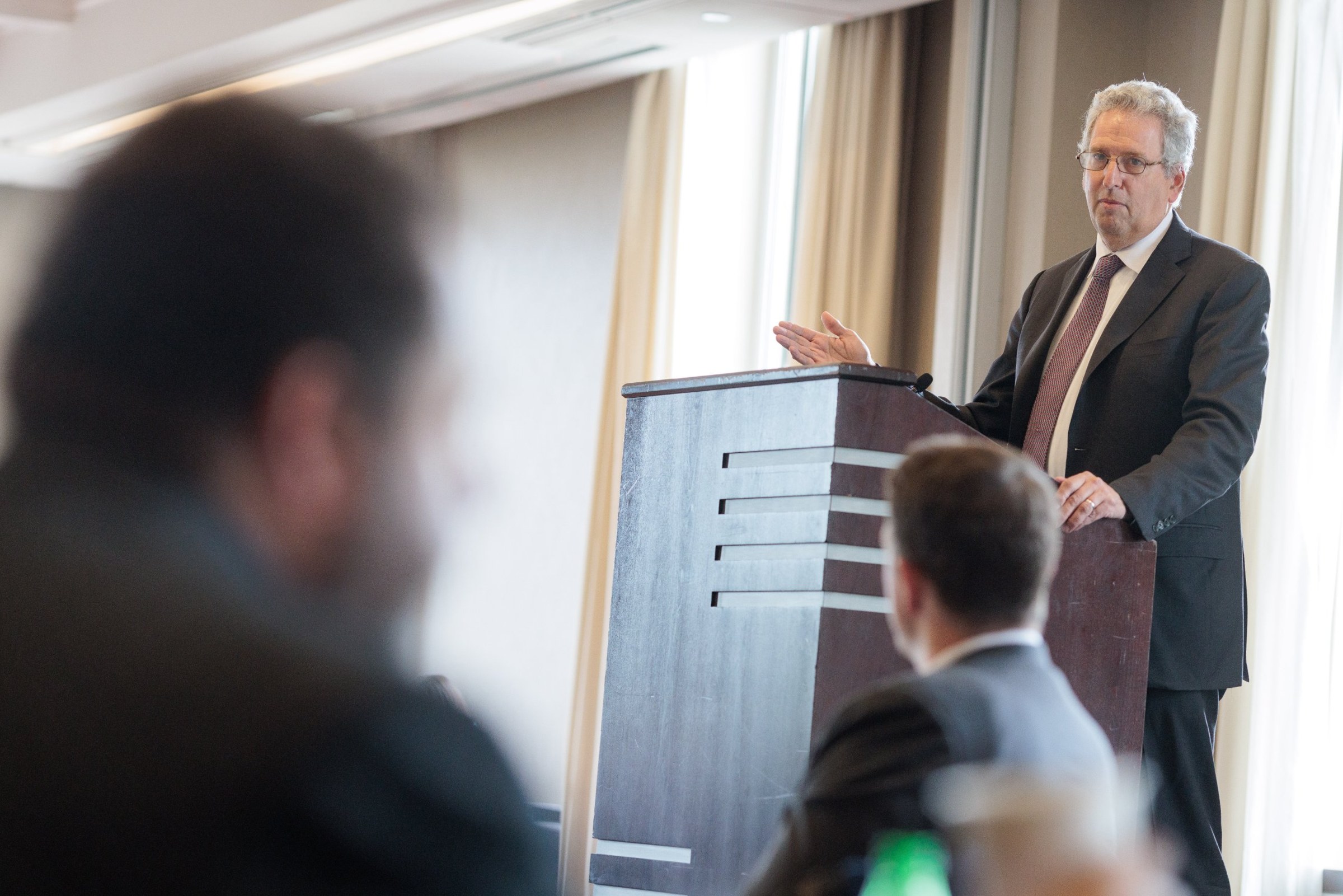
Give reporters a specific reason to come, such as a new report, a coalition announcement or a proposal with a clear local impact. A tight press program might include an opening statement, a few minutes of firsthand perspective and time for questions. Build in room for one-on-one interviews immediately afterward.
The Atrium works well for an announcement with a small group of speakers. Use the Minuteman Ballroom if you’re planning a larger audience, a slide presentation or a program with the Capitol dome in view. During your walkthrough, decide where cameras and microphones will go, test the light at the hour you’ll be speaking and request an audio feed or livestream setup if your program calls for one. Assign a press contact and give media a clear arrival time and check-in location.
Cluster appointments by building where possible and build in time for walking, entry screening and finding offices. Ask each team lead to keep a current schedule and give attendees one number to text when a meeting moves or runs long. Keep the Symposium Center available for regrouping, quick prep and schedule changes. A boxed lunch can work well when delegations are coming and going at different times.
Ask teams to log the office, the response to the request and any promised follow-up while details are fresh. Before the afternoon wraps, review the notes together and assign a person and due date to each commitment.
| Time | What’s happening | Where |
|---|---|---|
| 7:45 a.m. | Check-in, coffee and breakfast | Atrium |
| 8:30 a.m. | Message briefing and delegation practice | Symposium Center |
| 9:15 a.m. | Press announcement, Q&A and interviews | Atrium |
| 10 a.m. | First round of meetings | House and Senate offices |
| 12 p.m. | Rolling lunch, team check-ins and afternoon prep | Top of the Hill |
| 1 p.m. | Second round of meetings | House and Senate offices |
| 4 p.m. | Debrief and follow-up assignments | Symposium Center |
| 5 p.m. | Closing reception and brief remarks | Minuteman Ballroom |
At the reception, thank participants, share what they accomplished and give them one concrete next step. A short program leaves room for the conversations people came to Washington to have.
Planning a Hill day? Tell our event team your delegation size, meeting windows and whether you’re planning press or a reception. We can help map the schedule to the right rooms and coordinate catering and production.